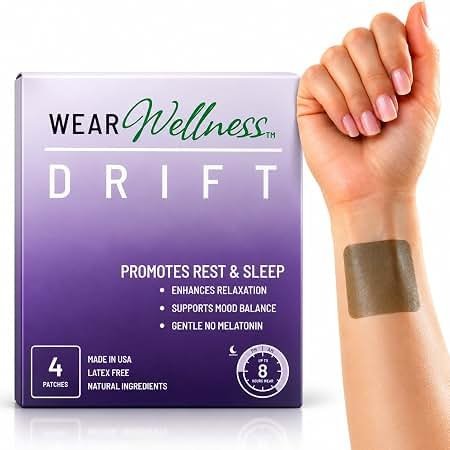
Restless nights can make the next day feel twice as long. Many turn to pills or teas, but skin-applied options are becoming popular too. Driftly sleep patches aim to simplify bedtime: peel, stick, and let a gentle blend of calming ingredients release through the night. Below, we unpack what they are, how they function, and where they may (or may not) fit into your routine.
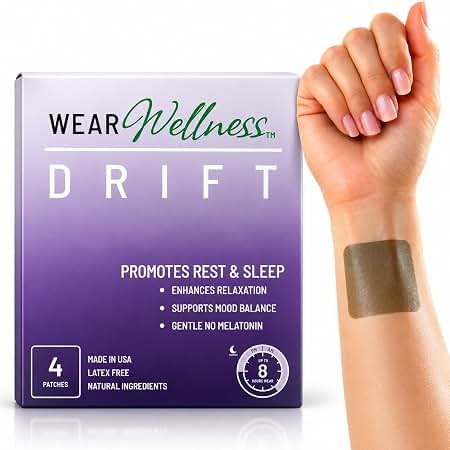
What are Driftly Sleep Patches?
Driftly sleep patches are drug-free, transdermal patches designed to encourage relaxation and ease the path to sleep. Instead of swallowing a supplement, you wear a thin adhesive strip that gradually disperses a blend of botanicals and wellness compounds through your skin while you rest.
They’re marketed for people who find it tough to unwind after demanding days, have trouble falling asleep smoothly, or prefer to skip oral sleep aids that can sometimes feel heavy the following morning.
How Do They Work?
These patches use transdermal delivery: the actives move through the skin, bypassing the digestive system and first-pass liver metabolism. Because absorption is slower and steadier, the aim is a sustained trickle of calming support rather than a quick spike and crash.
Where many oral sleep aids peak soon after ingestion, a time-release patch is intended to maintain a low, even level of relaxing compounds for several hours—supporting a gentler slide into deeper sleep cycles.
Ingredients and Features Breakdown
- Melatonin
Common in sleep-focused patches, melatonin signals that it’s time to wind down. Delivered through the skin, it’s intended to provide a mild, continuous nudge rather than a sudden flood.
- Valerian Root Extract
Long used in herbal traditions for its soothing qualities, valerian is often chosen to calm a racing mind and help shorten the time to drift off.
- Passionflower and Chamomile
Both botanicals are widely associated with gentle relaxation. Together, they’re used to ease tension and restlessness without the heavy sedation linked to stronger drugs.
- Magnesium
Often called nature’s relaxant for muscles, magnesium can assist with releasing physical tightness so the body can settle more comfortably.
Benefits and Practical Use Cases
- No swallowing or water needed: Ideal if you dislike late-night pills or don’t want a last-minute drink at bedtime.
- Sustained release: A slow, steady release may help maintain a calm state through the night—useful for light sleepers who often wake.
- Travel-ready: Flat, lightweight patches are easy to pack and don’t require refrigeration, suiting planes, hotels, or irregular schedules.
Who Should Use It?
These patches are aimed at adults with mild, occasional sleep hiccups tied to stress, shifting schedules, or heavy screen time.
They tend to be a good match for:
- Busy professionals who can’t easily switch off at night.
- Travelers facing minor jet lag or unfamiliar beds.
- People with sensitive stomachs who prefer to avoid oral supplements.
They are not intended for chronic insomnia, sleep apnea, or other diagnosed sleep conditions. If sleep problems are persistent or severe, seek medical guidance.
Safety, Side Effects, and Precautions
Formulated without drugs and centered on topical botanicals, these products are generally considered appropriate for most healthy adults. Still, keep a few basics in mind:
- Skin sensitivity: Wearing adhesive for hours can irritate delicate or reactive skin (including eczema or psoriasis). Rotate application sites and monitor for redness.
- Allergies: Review the label if you’re sensitive to certain plants, including ragweed or members of the daisy family, which sometimes cross-react.
- Pregnancy and medications: If you’re pregnant, nursing, or using prescription sedatives or blood-pressure medications, consult your clinician before adding sleep patches.
Pros and Cons
Here’s a quick look at where transdermal sleep aids tend to shine—and where they may fall short.
Pros
- Drug-free, non-habit-forming approach.
- No pills or liquids required at bedtime.
- Time-released support instead of a sharp peak.
- Discreet, comfortable, and simple to apply.
Cons
- Results can vary widely due to skin permeability and individual biology.
- Adhesive may bother sensitive skin or leave slight residue.
- Not intended for severe or long-standing sleep disorders.
Customer Feedback (Balanced Summary)
Overall sentiment skews positive on convenience and gentle relaxation. Many users describe the patch ritual as a helpful cue that it’s time to wind down and often appreciate the lack of next-day grogginess they’ve felt with heavier options.
Critical takes generally come from those expecting a dramatic fix for entrenched insomnia. Some report little to no change, and a few mention patches lifting at night if applied over lotions or naturally oily skin.
Comparison with Alternatives
- Oral melatonin gummies or pills: These usually act more quickly and can feel heavier—but may fade sooner. Patches aim for a smoother, longer arc of absorption.
- Prescription sleep medications: Powerful and appropriate for severe cases, but they can carry dependency risks and intense morning grogginess. Patches fit the mild, lifestyle-oriented end of the spectrum.
- Herbal teas: Warm, calming, and pleasant—but late fluids can prompt nighttime bathroom trips. Patches avoid that trade-off.
Pricing, Warranty, and Refund Policy
Costs typically depend on the pack size, with larger or monthly bundles reducing price per patch. Many reputable wellness brands offer subscription savings and a standard money-back guarantee, giving you time—often a few weeks—to see if the patches suit your routine without undue risk.
Frequently Asked Questions (FAQ)
Where is the best place to apply a sleep patch?
Choose a clean, dry spot with little hair and minimal movement, such as the inner wrist, upper arm, shoulder, or upper chest. This helps promote consistent absorption and steady adhesion overnight.
Will the patch fall off during the night?
Quality patches use hypoallergenic, medical-grade adhesive intended to stay put. For best results, avoid applying over oils or heavy lotions and ensure the skin is completely dry before sticking on the patch.
Can I wear more than one patch at a time?
Start with the brand’s suggested use—typically one patch per night—to see how you respond. Only consider adjustments after gauging your personal experience and, if needed, consulting a healthcare professional.
Final Verdict
Driftly sleep patches offer a modern, low-fuss way to support occasional restless nights. By shifting to slow-release, skin-based delivery, they aim to provide gentle, non-drug assistance with relaxation and the transition into sleep—without the abrupt highs and lows some people feel with oral options.
They’re not a solution for chronic sleep disorders, but as part of an evening wind-down routine, they can be a convenient, tidy tool for those seeking a milder path to better rest.